

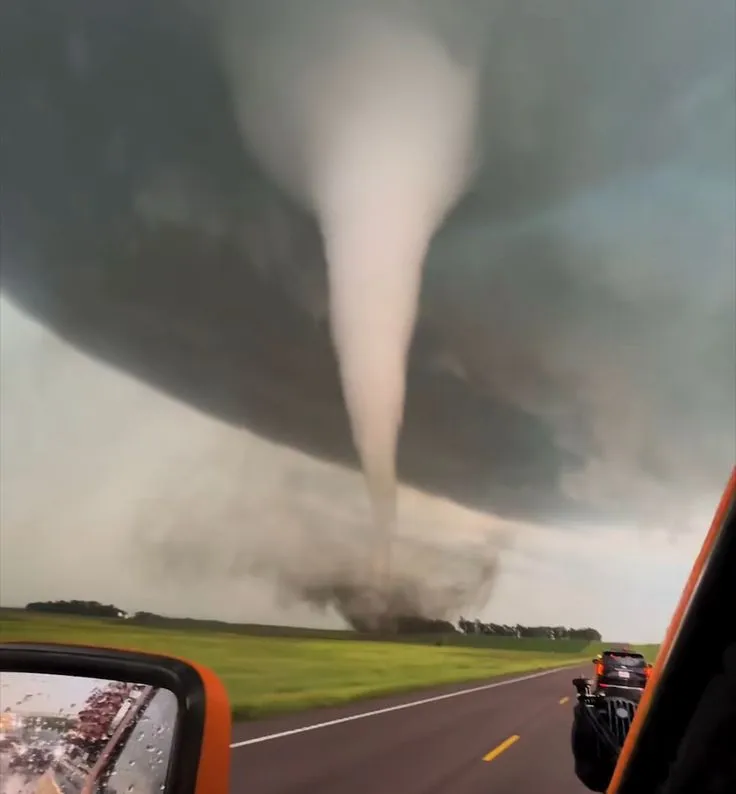
Learning does not have to end when formal education does. Many adults enjoy travel more when a journey introduces them to a subject they have always wanted to understand. For someone interested in clouds, thunderstorms, or forecasting, storm chasing tours USA 2027 can turn that curiosity into a practical travel experience.
The appeal is not about becoming a meteorologist in a few days. It comes from connecting familiar weather concepts with real landscapes and observations, making severe weather easier to understand in context.
Start With Questions Rather Than Technical Knowledge
A newcomer does not need to study textbooks before joining a weather-focused trip. Beginning with simple questions can be more useful. Why are thunderstorms developing in one region but not another? Why do some clouds continue growing while others disappear? Why does a storm look different after the group changes position?
Questions like these give travelers something specific to observe. As the journey continues, explanations can be connected with actual conditions rather than treated as isolated scientific facts.
Build a Personal Weather Vocabulary
Meteorology contains plenty of specialized terminology, and trying to learn everything at once can become overwhelming. A better approach is to collect terms gradually. Travelers might write down one unfamiliar word when it becomes relevant and add a short explanation later.
By the end of several days, that small vocabulary can make weather discussions easier to follow. More importantly, each term is connected with a real experience, which can make it more memorable.
Compare Different Skies
People considering tornado chasing 2027 can use each travel day as an opportunity to compare atmospheric conditions rather than looking only for dramatic events. One day may feature extensive cloud cover, while another begins beneath a clearer sky. Cloud development may appear rapid on one afternoon and more gradual on another.
A simple comparison can focus on:
-
Morning cloud coverage
-
Changes in visibility
-
Cloud growth during the afternoon
-
Different precipitation patterns
-
Variations in evening skies
These observations help travelers recognize how much variety exists within the broad category of “stormy weather.”
Use a Notebook for Questions
A small notebook can become more useful when it records questions instead of lengthy technical notes. Travelers might write down something they noticed during a drive and ask about it later when there is an appropriate opportunity. This prevents interesting observations from being forgotten without interrupting the moment.
At the end of the day, adding a short answer beside each question creates a personalized record of what was learned.
Connect Weather With Geography
Weather does not occur separately from the places beneath it. Traveling across the Great Plains can help adult learners connect atmospheric observations with geography. Broad horizons affect how much of a storm can be seen, while road networks influence how travelers move through a region. Agricultural landscapes and small communities also provide context for the environments experiencing the weather.
This combination makes the learning experience broader than meteorology alone. Geography and travel become part of understanding the day.
Let Photography Support Observation
Photography can be used as a learning tool rather than simply a way to collect impressive images. A traveler could photograph the same cloud at different stages, compare two horizons, or document how light changes around precipitation. Reviewing those images later may reveal details that were not obvious at the time.
Keeping the project simple is important. The camera should encourage closer observation rather than become a distraction from it.
Continue Learning After Returning Home
One of the best signs of a successful educational trip is continued curiosity afterward. Travelers may find themselves paying closer attention to local forecasts, recognizing familiar cloud development, reading more about thunderstorms, or organizing photographs according to what they learned. The trip then becomes a starting point rather than an isolated experience. Even everyday weather at home can become more interesting when viewed with greater awareness.
Conclusion
Weather-focused travel can suit adult learners because it connects curiosity with direct observation rather than requiring formal study. Questions, simple notes, changing landscapes, photography, and daily comparisons can make atmospheric concepts easier to appreciate while keeping the experience enjoyable. Storm Chasing Adventure Tours can provide a setting where adults explore their interest in severe weather while traveling through the Great Plains, potentially returning home with not only memorable images but also a stronger desire to keep learning about the atmosphere.