

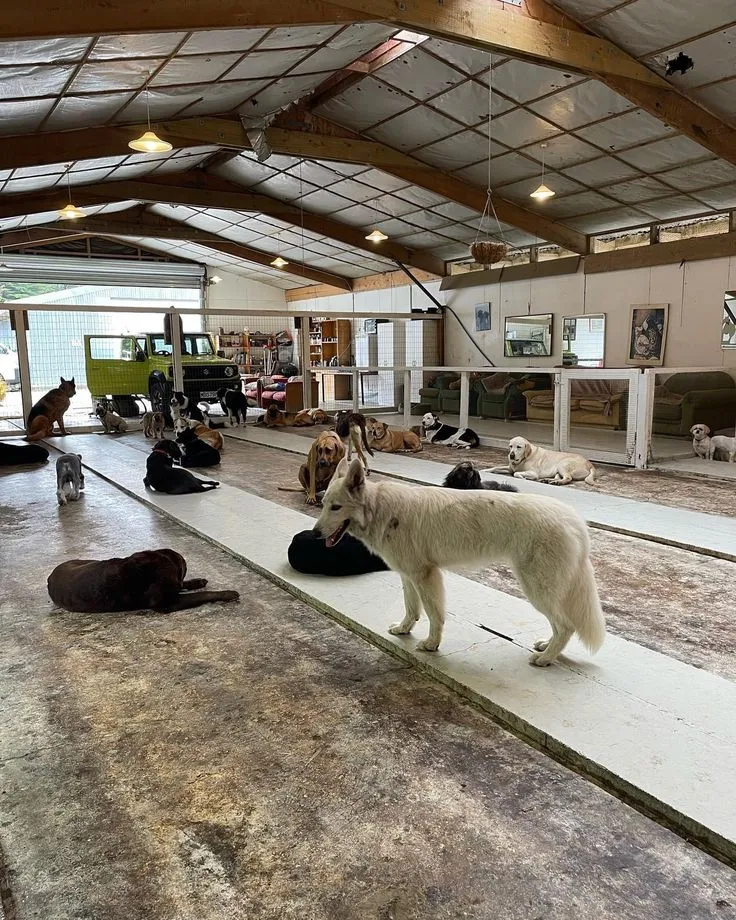
Outdoor kennel areas face a combination of challenges that indoor animal-care spaces rarely experience at the same level. Rain, sunlight, temperature changes, dirt, animal waste, cleaning chemicals, and repeated washdowns all affect the same surface. A flooring system that performs well inside a climate-controlled building may not respond identically when exposed to changing weather. For shelters, boarding facilities, and veterinary operations, maintaining exterior kennel flooring requires attention to drainage, UV exposure, seasonal movement, surface texture, and concrete condition throughout the year.
Weather Adds Constant Stress
Exterior concrete expands and contracts as temperatures change. Summer heat, winter cold, and daily temperature fluctuations can place repeated stress on both the slab and the flooring system above it.
Rain and moisture introduce another variable. Water can move into cracks, collect in low areas, or remain around drains and edges if the surface does not slope correctly.
Managers should therefore consider outdoor flooring as an environmental system rather than simply an extension of the indoor kennel floor.
Drainage Should Be Checked Regularly
Drainage is one of the most important considerations in exterior animal areas. Routine washdowns already introduce significant water, while rainfall can add much more without warning.
Facilities considering Outdoor Dog Kennel Flooring Nj should inspect slopes, drain locations, low spots, and damaged edges before resurfacing. Standing water can make cleaning more difficult and may increase slipping concerns for staff and animals.
A coating can provide a continuous surface, but it cannot correct every underlying drainage issue. Problems with slope or concrete should be addressed during preparation.
Sunlight Can Affect Material Performance
Ultraviolet exposure is another important difference between indoor and outdoor spaces. Some resinous materials can change color or appearance when exposed to prolonged sunlight.
Exterior kennel areas therefore benefit from systems and protective finishes selected specifically for outdoor conditions. Managers should discuss how much direct sunlight each area receives and whether sections are partially covered or fully exposed.
Choosing materials according to actual exposure helps avoid applying an interior-focused system in a harsher environment.
Surface Texture Needs Balance
Outdoor runs can become wet from both weather and sanitation, so practical traction matters. However, extremely aggressive texture can create additional cleaning work.
Animal hair, dirt, food debris, and other contaminants may become trapped in heavily textured surfaces. At the same time, flooring that is too smooth may be unsuitable when rain or wash water is present.
When planning Veterinary Epoxy Flooring Nj, facility operators should consider animal movement, staff footwear, drainage, cleaning equipment, and expected moisture together before deciding on texture.
Seasonal Debris Increases Abrasion
Outdoor kennels collect more than water. Sand, grit, leaves, soil, and other debris can be carried onto the surface by wind, footwear, animals, and cleaning activities.
Abrasive particles may increase wear when they are repeatedly ground beneath carts, equipment, or foot traffic. Regular removal can therefore help protect the surface while also keeping drains clear.
Maintenance teams should pay particular attention to entrance zones where outside debris is most likely to accumulate.
Concrete Cracks Need Early Attention
Exterior concrete may experience more environmental movement than indoor slabs. Small cracks can gradually become more noticeable as temperature and moisture conditions change.
Cracks should be inspected rather than automatically covered during resurfacing. Damaged or weak concrete may require repair before new resinous layers are installed.
Mechanical preparation can remove old coatings and unsuitable surface material while creating the profile required for adhesion. This step is especially important outdoors, where environmental exposure can reveal weaknesses quickly.
Indoor-to-Outdoor Transitions Matter
Doorways between interior kennels and exterior runs experience concentrated traffic and exposure. Animals, employees, carts, cleaning water, and weather all cross the same narrow threshold.
These transitions can become vulnerable if elevations differ or edges begin chipping. Water may also be carried indoors during wet conditions.
Managers should include these areas in both installation planning and routine inspection rather than treating indoor and outdoor flooring as completely separate projects.
Maintenance Should Change With the Seasons
Outdoor flooring maintenance should respond to changing weather. After winter, managers can inspect for cracks, edge damage, or areas affected by freeze-thaw conditions. During warmer months, drainage and UV-exposed sections deserve attention.
Leaves and debris may become a greater issue in autumn, while wet conditions can increase cleaning demands during rainy periods.
A seasonal inspection schedule can help identify minor problems before repeated weather exposure and animal traffic make them more difficult to repair.
Conclusion
Outdoor kennel flooring operates under conditions that combine animal-care demands with environmental exposure. Rain, sunlight, seasonal temperature changes, debris, drainage, cleaning chemicals, and repeated traffic all influence long-term performance.
A stronger maintenance strategy recognizes that exterior flooring cannot simply follow the same routine as indoor clinic spaces. Proper substrate preparation, suitable outdoor materials, balanced texture, effective drainage, seasonal inspections, and prompt repairs can help facilities maintain more dependable kennel surfaces throughout the year while supporting everyday cleaning and animal-care operations.